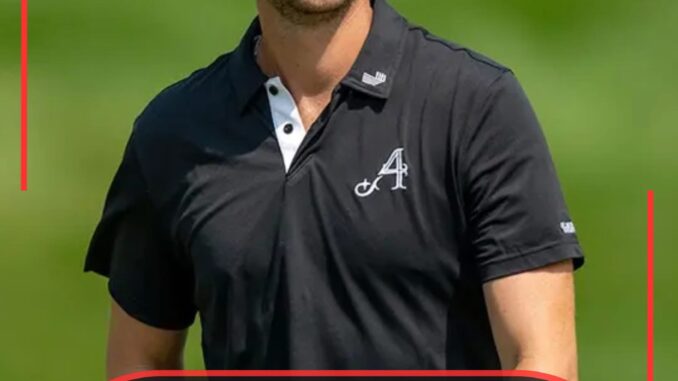
Thomas Pieters has never been one to hedge his words, and his latest stance on the future of his career is as blunt as it gets. The Belgian has effectively ruled out any return to the PGA Tour, making it clear that even a collapse of LIV Golf would not change his thinking. For Pieters, the idea of going back isn’t just unlikely—it’s irrelevant. Retirement, he suggests, was always the more realistic endpoint.
That mindset reframes the usual narrative surrounding players who joined LIV Golf. While many observers still speculate about reunification in men’s professional golf, Pieters appears to have detached himself from that conversation entirely. His perspective is less about allegiance and more about personal direction. He has already weighed what a return would mean competitively, financially, and mentally—and decided it doesn’t fit.
What makes his position particularly striking is the clarity of his fallback plan. If LIV Golf were to shut down or dramatically change course, Pieters wouldn’t scramble to regain PGA Tour status. Instead, he would look toward the DP World Tour. That path, however, comes with trade-offs he openly acknowledges. A move back would almost certainly involve a pay cut and a different competitive structure, far removed from the lucrative guarantees that defined the LIV era.
Still, the DP World Tour represents something closer to stability and familiarity. For Pieters, it’s less about chasing maximum earnings and more about maintaining a viable place in the professional game without compromising his personal priorities. It’s a pragmatic option rather than a passionate one—Plan B, as he frames it, rather than a dream scenario.
Hovering over all of this is a broader uncertainty about LIV Golf itself. The league’s future continues to generate questions, not just among fans and analysts but among its own players. Pieters has pointedly suggested that clarity must come from leadership, particularly from LIV’s CEO, whose statements on May 5 are expected to address the direction of the league. That moment could prove pivotal, shaping decisions for players who, unlike Pieters, may still be weighing their long-term allegiance.
In the end, Pieters’ stance underscores a shift in how some players are approaching their careers. Rather than waiting on the sport’s power structures to resolve their differences, he has drawn his own boundaries. If the current system no longer aligns with those boundaries, he’s prepared to step away entirely. Retirement, in that sense, isn’t a last resort—it’s been part of the plan all along.
Leave a Reply